Heliostat
2020 – 2023

A heliostat is a responsive, robotic mirror that tracks the sun in order to redirect its light
As the central project of my Master’s in Engineering, I designed and built a custom heliostat for my New York City apartment — a working prototype for distributed daylight redirection.
Using an Arduino microcontroller, I programmed a dual-axis tracking system capable of continuously calculating the sun’s position and recalibrating in real time. The X-axis (azimuth) rotation traces the sun’s daily path using astronomical data derived from the Julian Date API. The Y-axis (altitude) tilt adjusts the mirror’s angle to redirect incident sunlight into the interior ceiling.
Constructed from repurposed and found materials, the kinetic sculpture clangs like a chariot in motion, scattering light wherever it turns.
Developed in New York City — where vertical growth and zoning laws regulate access to light — the project proposes small-scale, distributed heliostat systems for reclaiming daylight in increasingly occluded environments.
In November 2023, I returned to this research to present Pushing Daylight at NYU’s Environmental and Racial Justice Network (ERJN), examining the politics of solar access and daylight zoning in dense cities.
Fabrication Process

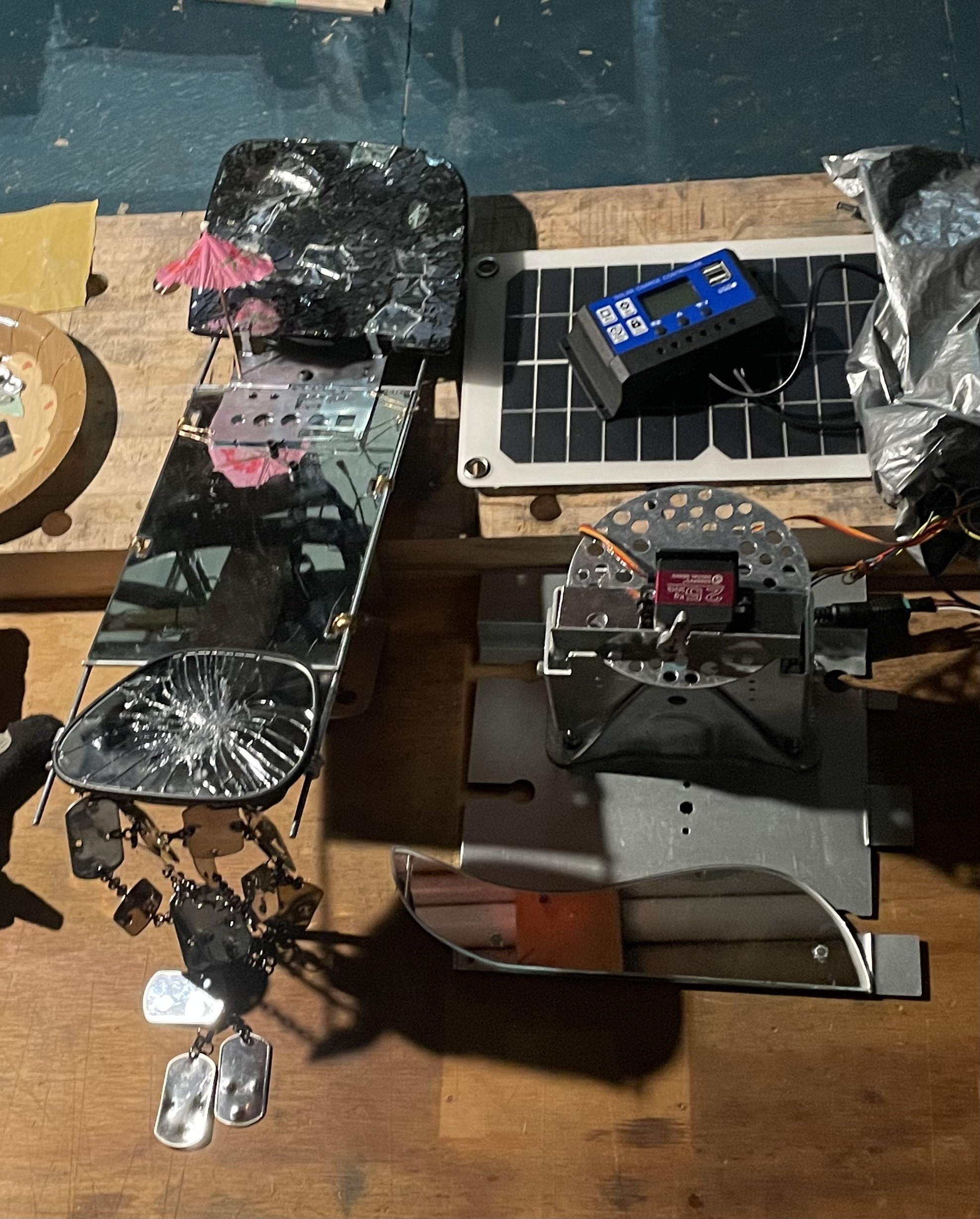


It is running on an Arduino Uno, connected to two motors through an Adafruit Motorshield V2. The two motors are a 25KG servo and a weaker stepper motor.
Electrical Specification
Operating voltage range: 4.8 - 6.8V
Operating speed ( 5.0V ): 0.15 sec/60 degree
Operating speed ( 6.8V ): 0.13 sec/60 degree
Stall torque ( 5.0V ): 21kg/cm
Stall torque ( 6.8V ): 25kg/cm
Control Specification:
Control System: PWM(Pulse width modification)
Pulse width range: 500~2500 μsec
Neutral position: 1500μsec
Running degree: 180° (when 500~2500 μsec)
Dead band width: 3 μsec
Operating frequency: 50-330Hz
Rotating direction: Counterclockwise (when 500~2500 μsec)
Stepper Electrical Specification
NEMA 17 steppers typically have more torque than smaller variants, such as NEMA 14 and have a recommended driving voltage of 12-24V.
Electrical Specification
Operating voltage range: 4.8 - 6.8V
Operating speed ( 5.0V ): 0.15 sec/60 degree
Operating speed ( 6.8V ): 0.13 sec/60 degree
Stall torque ( 5.0V ): 21kg/cm
Stall torque ( 6.8V ): 25kg/cm
Control Specification:
Control System: PWM(Pulse width modification)
Pulse width range: 500~2500 μsec
Neutral position: 1500μsec
Running degree: 180° (when 500~2500 μsec)
Dead band width: 3 μsec
Operating frequency: 50-330Hz
Rotating direction: Counterclockwise (when 500~2500 μsec)
Stepper Electrical Specification
NEMA 17 steppers typically have more torque than smaller variants, such as NEMA 14 and have a recommended driving voltage of 12-24V.
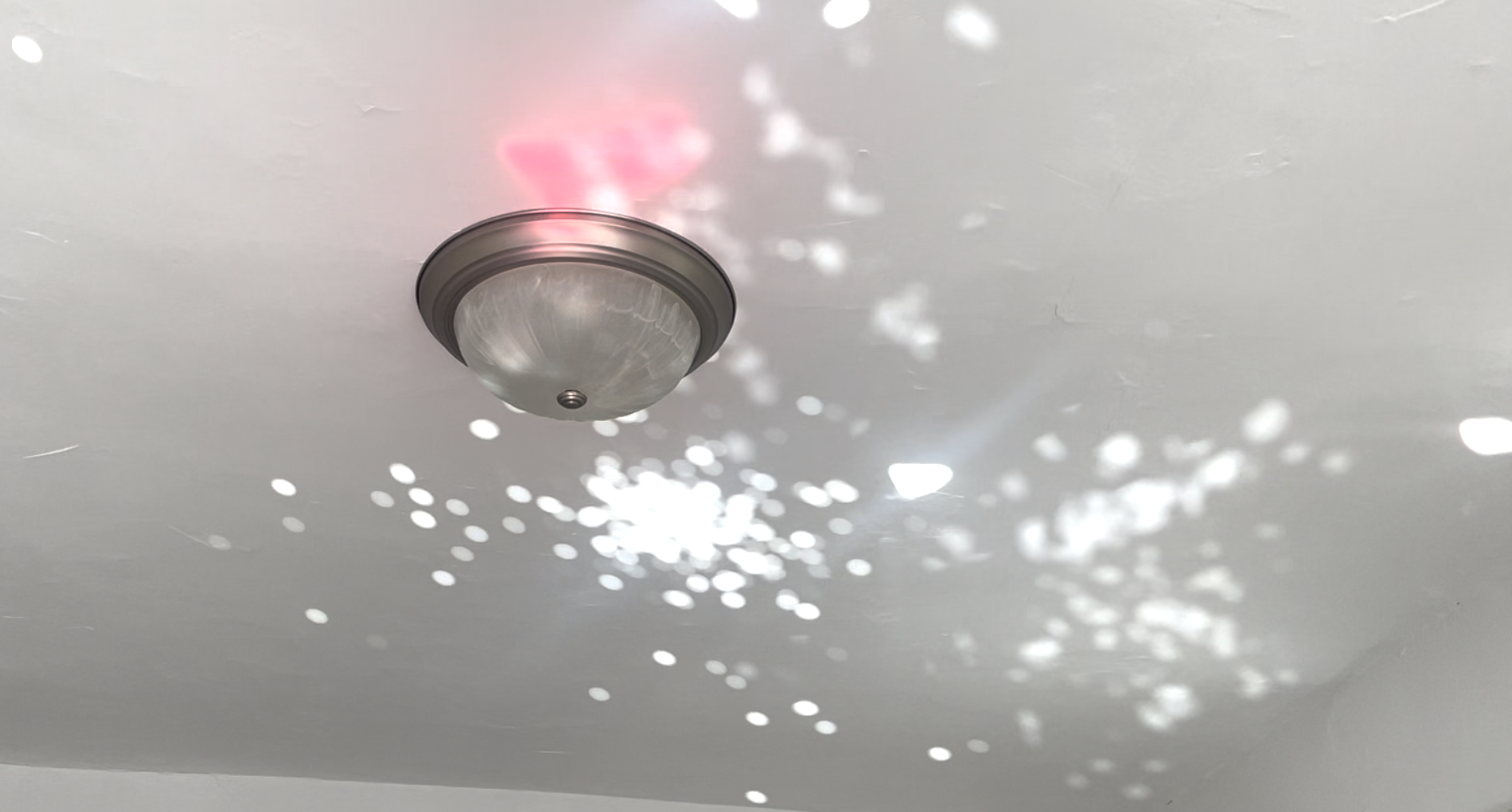

I am working on my next heliostat!